Author

admin

Browsing

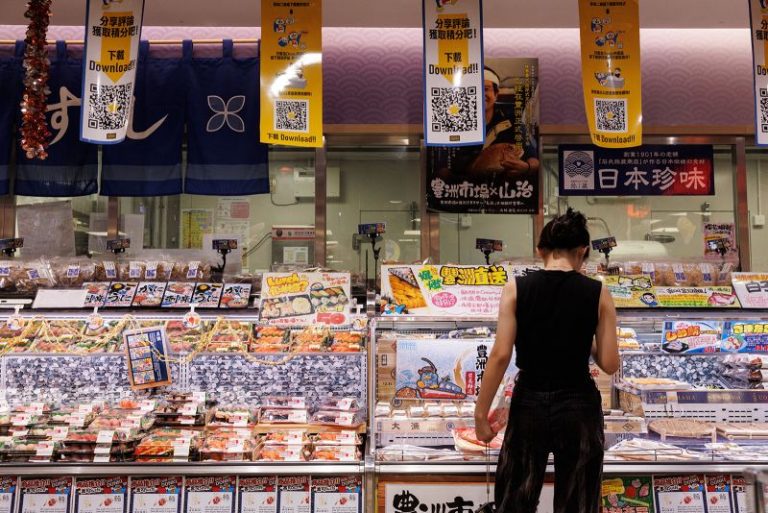
China on Sunday announced it is immediately resuming seafood products imported from some Japanese regions, ending a nearly two-year overall ban imposed due to worries over Japan’s release of treated wastewater from the Fukushima nuclear power plant.

In a notice on Sunday, China Customs said seafood products from 10 prefectures – Fukushima, Gunma, Tochigi, Ibaraki, Miyagi, Niigata, Nagano, Saitama, Tokyo and Chiba – will still be banned from entering the country.

Products from other regions will need health certificates, radioactive substance detection qualification certificates and production area certificates issued by the Japanese government for Chinese customs declarations, the notice said.

Chinese customs authorities said Sunday’s decision was made after no abnormality was detected following long-term international and independent Chinese sampling and monitoring of discharged wastewater.

China banned all imports of Japanese seafood in August 2023, shortly after Tokyo began releasing the treated Fukushima wastewater, prompting a diplomatic and economic backlash.

Sunday’s notice said China will strictly supervise Japanese seafood imports and will take measures if it finds any violations of relevant Chinese laws, regulations and food safety standards.

This post appeared first on cnn.com

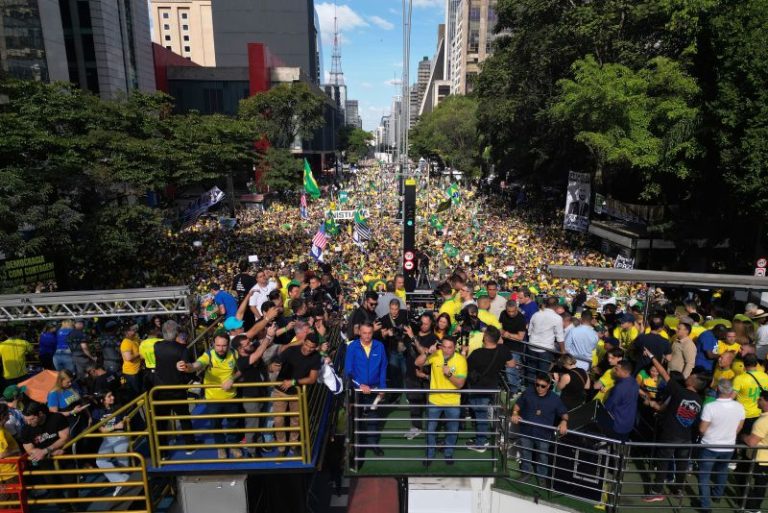
Former Brazilian President Jair Bolsonaro on Sunday attended a public demonstration in Sao Paulo to protest against his ongoing Supreme Court trial in the South American country.

A couple of thousand people gathered on Paulista Avenue, one of the city’s main locations, in a demonstration that Bolsonaro, before the event, called “an act for freedom, for justice.”

Bolsonaro and 33 allies are facing trial over an alleged plot to overturn the 2022 presidential election results and remain in power.

They were charged with five counts related to the plan.

The former president has denied the allegations and claims that he’s the target of political persecution.

He could face up to 12 years in prison if convicted.

“Bolsonaro, come back!” protesters chanted, but the former president is barred from running for office until 2030.

Brazil’s Superior Electoral Court ruled last year that he abused his political power and made baseless claims about the country’s electronic voting system.

This post appeared first on cnn.com

Major heat waves across southern Europe have pushed temperatures above 104 degrees Fahrenheit (40 degrees Celsius) in countries including Italy, Spain and Greece, as local authorities issued fresh warnings against the risk of wildfires.

Experts link the rising frequency and intensity of these heatwaves to climate change, warning that such extreme weather events are becoming increasingly common across Europe’s southern region.

Severe heat waves were recorded in Italy, Greece, Spain and Portugal before the weekend, with locals and tourists alike taking shelter from the sweltering conditions.

Two-thirds of Portugal were on high alert on Sunday for extreme heat and wildfires, with temperatures expected to top 107 Fahrenheit (42 Celsius) in Lisbon.

In Italy, a few regions – Lazio, Tuscany, Calabria, Puglia and Umbria – were planning to ban some outdoor work activities during the hottest hours of the day in response to the record-high temperatures. Italian trade unions pushed the government to expand such measures at a national level.

On Sunday, the Italian Health Ministry placed 21 out of 27 monitored cities under its highest heat alert, including top holiday destinations like Rome, Milan and Naples.

In Rome, tourists tried to seek shade near popular spots like the Colosseum and the Trevi Fountain, using umbrellas and drinking from public water fountains to stay cool.

Similar scenes were reported in Milan and Naples, where street vendors sold lemonade to tourists and residents to offer some refreshment from the heat.

Greece was again on high wildfire alert because of extreme weather, with the first summer heat wave expected to continue throughout the weekend.

A large wildfire broke out south of Athens on Thursday, forcing evacuations and road closures near the ancient Temple of Poseidon. Strong winds spread the flames, damaging homes and sending smoke across the sky.

Greek authorities deployed 130 firefighters, 12 planes and 12 helicopters to battle the blaze, while police evacuated 40 people, with five areas under evacuation orders.

In Spain, locals and tourists were desperately trying to keep cool this weekend, as the country sizzled in temperatures as high as 107 Fahrenheit (42 Celsius) in the southern city of Seville along with other locations in southern and central parts of the country.

Southern regions of Spain recorded temperatures above seasonal averages, prompting health alerts and safety recommendations from authorities. The country’s national meteorological service Aemet has said that June is set to break yet another record, becoming the hottest such month since records started.

Experts warned that intense heat can affect daily life, especially for vulnerable populations such as the elderly and children.

Local authorities advised against physical activity during the hottest hours of the day, and recommended drinking plenty of fluids.

A Lancet Public Health study published last year highlighted the increasing risk of heat-related deaths because of climate change. The study predicted that heat-related deaths could more than quadruple by mid-century under current climate policies.

While more people die from cold than heat, the study stressed that rising temperatures will offset the benefits of milder winters, leading to a significant net increase in heat-related mortality.

This post appeared first on cnn.com

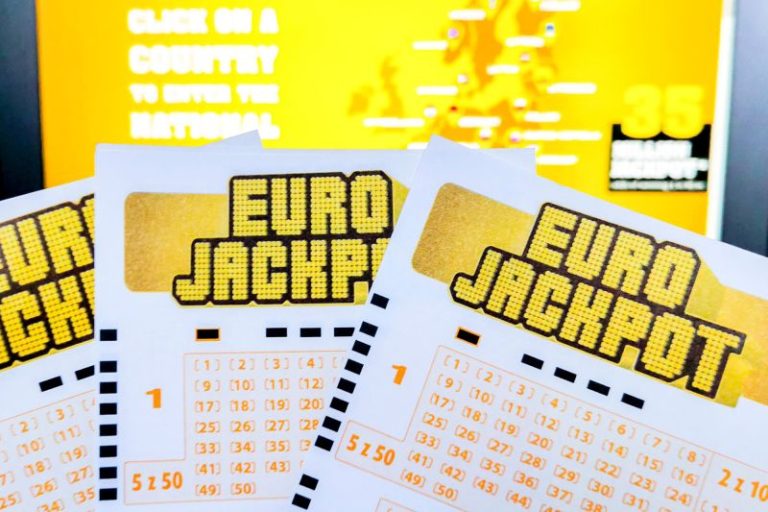
Norway’s national lottery has apologized after thousands of players were mistakenly told that they had won large sums in the Eurojackpot draw due to a coding error.

Norsk Tipping receives the prize amounts from Germany in euros, then coverts them to Norwegian kroner. However, it was during the conversion that an error occurred and winnings were multiplied by 100, rather than divided by 100, the company said in a statement Friday.

Norsk Tipping sent messages and push notifications to customers that showed the wrong, inflated winnings, before later issuing a correction.

“Norsk Tipping sincerely apologizes to everyone who was notified of an incorrect prize amount,” it said.

The company blamed the issue on a “manual coding error.”

“No customers have been paid the wrong prize,” it added.

In a separate statement on Saturday, Norsk Tipping CEO Tonje Sagstuen also apologized for the error.

“I am terribly sorry that we have disappointed so many, and I understand that people are angry with us,” said Sagstuen in the statement.

“I have received many messages from people who had managed to make plans for holidays, buying an apartment or renovating before they realized that the amount was wrong,” she said.

“To them I can only say: Sorry! But I understand that it is a small consolation,” added Sagstuen, who later stepped down and was replaced by acting CEO Vegar Strand.

The company then sent out another apology message signed by Strand.

“On Friday evening, thousands of Norwegians were mistakenly told that they had won a large prize in Eurojackpot. This was an error that affected many and which we take very seriously,” it read.

“We deeply regret what has happened, and on behalf of us at Norsk Tipping I would like to apologize to everyone who was affected by this,” said Strand, who added that the company was “working intensively” to make sure that something similar doesn’t happen again.

As no one correctly matched all of the numbers in Friday’s draw, the Eurojackpot has now reached 377 million Norwegian kroner ($37.3 million), with the next draw scheduled to take place on Tuesday.

This post appeared first on cnn.com

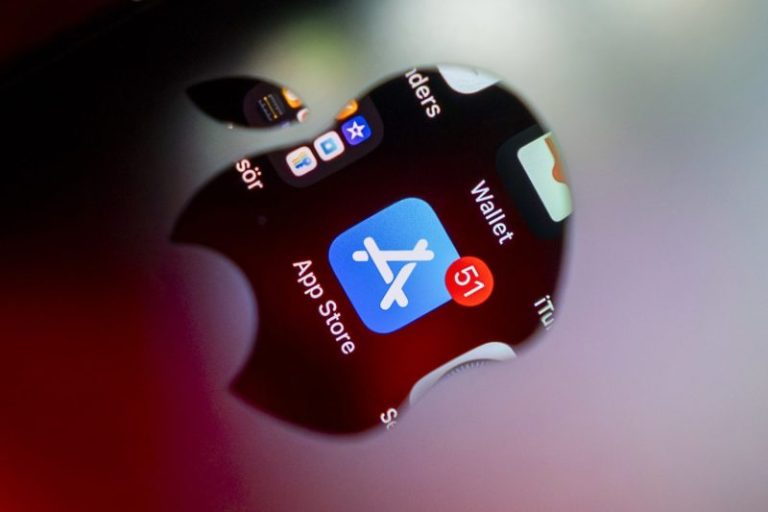
Apple Thursday made changes to its App Store European policies, saying it believes the new rules will help the company avoid a fine of 500 million euro ($585 million) from the EU for violating the Digital Markets Act.

The new policies are a complicated system of fees and programs for app makers, with some developers now paying three separate fees for one download. Apple also is going to introduce a new set of rules for all app developers in Europe, which includes a fee called the “core technology commission” of 5% on all digital purchases made outside the App Store.

The changes Apple announced are not a complete departure from the company’s previous policy that drew the European Commission’s attention in the first place.

Apple said it did not want to make the changes but was forced to by the European Commission’s regulations, which threatened fines of up to 50 million euros per day. Apple said it believed its plan is in compliance with the DMA and that it will avoid fines.

“The European Commission is requiring Apple to make a series of additional changes to the App Store,” an Apple spokesperson said in a statement. “We disagree with this outcome and plan to appeal.”

A spokesperson for the European Commission did not say that Apple was no longer subject to the fine. He said in a statement that the EC is looking at Apple’s new terms to see if the company is in compliance.

“As part of this assessment the Commission considers it particularly important to obtain the views of market operators and interested third parties before deciding on next steps,” the spokesperson said in a statement.

The saga in Brussels is the latest example of Apple fiercely defending its App Store policies, a key source of profit for the iPhone maker through fees of between 15% and 30% on downloads through its App Store.

It also shows that Apple is continuing to claim it is owed a commission when iPhone apps link to websites for digital purchases overseas despite a recent court ruling that barred the practice in the U.S.

Under the Digital Markets Act, Apple was required to allow app developers more choices for how they distribute and promote their apps. In particular, developers are no longer prohibited from telling their users about cheaper alternatives to Apple’s App Store, a practice called “steering” by regulators.

In early 2024, Apple announced its changes, including a 50 cent fee on off-platform app downloads.

Critics, including Sweden’s Spotify, pushed back on Apple’s proposed changes, saying that the tech firm chose an approach that violated the spirit of the rules, and that its fees and commissions challenge the viability of the alternative billing system. The European Commission investigated for a year, and it said on Thursday that it would again seek feedback from Apple’s critics.

“From the beginning, Apple has been clear that they didn’t like the idea of abiding by the DMA,” Spotify said last year.

Epic Games CEO Tim Sweeney, whose company successfully changed Apple’s steering rules in the U.S. earlier this year, accused Apple of “malicious compliance” in its approach to the DMA.

“Apple’s new Digital Markets Act malicious compliance scheme is blatantly unlawful in both Europe and the United States and makes a mockery of fair competition in digital markets,” Sweeney posted on social media on Thursday. “Apps with competing payments are not only taxed but commercially crippled in the App Store.”

The European Commission announced the 500 million euro fine in April. The commission at the time said that the tech company might still be able to make changes to avoid the fine.

Apple’s restrictions on steering in the United States were tossed earlier this year, following a court order in the long-running Epic Games case. A judge in California found that Apple had purposely misled the court about its steering concessions in the United States and instructed it to immediately stop asking charging a fee or commission on for external downloads.

The order is currently in effect in the United States as it is being appealed and has already shifted the economics of app development. As a result, companies like Amazon and Spotify in the U.S. can direct customers to their own websites and avoid Apple’s 15% to 30% commission.

In the U.S., Amazon’s iPhone Kindle app now shows an orange “Get Book” button that links to Amazon.com.

This post appeared first on NBC NEWS

It was a week of downward momentum for the gold price.

The yellow metal neared the US$3,400 per ounce level on Monday (June 23) as investors reacted to the weekend’s escalation in tensions in the Middle East, but sank to just above US$3,300 the next day.

The decline came as US President Donald Trump announced that Israel and Iran had agreed to a ceasefire. While the ceasefire has not gone entirely smoothly, with Trump expressing displeasure about violations, the news appeared to calm investors.

Gold’s safe-haven appeal took another hit toward the end of the week, when Trump said late on Thursday (June 26) that the US had signed a trade deal with China. Although details remain scarce — China’s commerce ministry confirmed the arrangement, but said little else — the gold price dropped on the news, closing Friday (June 27) at about US$3,274.

It was a different story for other precious metals this week.

Silver enjoyed an uptick, rising as high as US$36.79 per ounce before pulling back to the US$36 level. Whether it can continue breaking higher remains to be seen, but many experts are optimistic.

In fact, Randy Smallwood of Wheaton Precious Metals (TSX:WPM,NYSE:WPM) said that right now he’s perhaps more excited about silver than he is about gold. Here’s how he explained it:

There’s not a lot of new production coming on stream, just because most silver comes as a by-product from lead, zinc and copper mines — more than half of silver. And we’re just not seeing the investment into the base metals space that we need to sustain that production and grow that production.

As excited as I am about gold, I think silver’s got a few more fundamentals behind it that make it a pretty exciting time to be watching silver … silver’s got some catching up to do with respect to what gold’s done over the last few years.’

Watch the full interview with Smallwood for more on silver, as well as gold and platinum.

Speaking of platinum, it was also on the move this week, rising above US$1,400 per ounce.

The move has turned heads — despite a persistent supply deficit, platinum has spent years trading in a fairly tight range, and it hasn’t crossed US$1,400 since 2014.

Recent trends supporting platinum’s move include a shift toward platinum jewelry due to the high cost of gold, as well as larger platinum imports to the US earlier this year when tariff uncertainty was heating up. At the same time, miners have faced challenges.

‘This has led to tight forward market conditions,’ said Jonathan Butler of Mitsubishi (TSE:8058), ‘with a deep backwardation across the curve.’ In his view, these conditions will continue providing support for the precious metal in the coming weeks.

Bullet briefing — Gold repatriation, Rule Symposium

Germany, Italy to repatriate gold?

Germany and Italy are facing calls to bring home gold stored in the US.

According to the Financial Times, politicians and economists in the two countries are pushing for repatriation as a result of global geopolitical uncertainty, as well as concerns about Trump’s potential influence on the Federal Reserve as he continues to criticize Chair Jerome Powell.

‘We are very concerned about Trump tampering with the Federal Reserve Bank’s independence. Our recommendation is to bring the (German and Italian) gold home to ensure European central banks have unlimited control over it at any given point in time’ — Michael Jäger, Taxpayers Association of Europe

The news outlet calculates that German and Italian gold held in the US has a total value of about US$245 billion. Market participants agree that it would be a blow to relations with America if the countries were to bring their gold home at this time.

At least for now they seem unlikely to do so — although Italy’s central bank hasn’t commented, Germany’s Bundesbank said it sees the New York Fed as ‘trustworthy and reliable.’

Send your questions for the Rule Symposium

The Rule Symposium runs in Boca Raton, Florida, from July 7 to 11, and I’ll be heading there to interview Rick Rule, as well as Adrian Day, Lobo Tiggre, Andy Schectman, Dr. Nomi Prins and more.

Securities Disclosure: I, Charlotte McLeod, hold no direct investment interest in any company mentioned in this article.

This post appeared first on investingnews.com

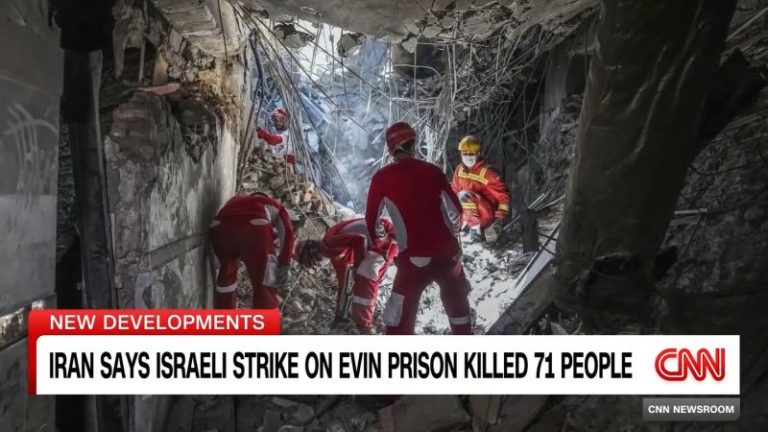
Israel’s attack on Evin Prison in the Iranian capital of Tehran on Monday killed 71 people, according to Mizan, the news outlet of the Iranian judiciary.

“The martyrs include prison administrative staff, conscripted soldiers, inmates, family members of prisoners who were at the prison for visits or legal follow-ups, and neighbors living near the prison,” judiciary spokesperson Asghar Jahangir said in remarks published on Sunday.

The state-affiliated news agency Fars reported that “much damage” had been recorded in the surrounding area.

The Israeli military attacked the entrance of Iran’s notorious Evin Prison on Monday, according to Israel’s defense minister and Iranian state news.

Security forces at the Evin detention center are known for their long record of human rights abuses, according to regime critics. Political activists, journalists and musicians are among those who have been incarcerated at the facility.

It is unclear why Israel targeted the facility. Israeli Defense Minister Israel Katz confirmed in a statement that Evin had been targeted, alongside several other sites, including the flagship building of the Islamic Revolutionary Guard Corps (IRGC) and the Basij headquarters (a paramilitary wing of the IRGC), without providing any further details.

France’s foreign minister condemned the strike on the prison, which was housing two French nationals.

“The strike aimed at Evin Prison in Tehran put in danger two of our nationals, Cecile Kohler and Jacques Paris, hostages for the past three years. It’s unacceptable,” Jean-Noël Barrot said in a post on X following the attack.

The couple were on holiday in Iran in May 2022 when they were stopped by authorities and arrested on suspicion of espionage. In October that year, Iranian state television broadcast a forced confession from the pair, during which Kohler said she was an agent working for France’s intelligence services, the DGES.

A ceasefire between Iran and Israel was announced late on Monday, after 12 days of back and forth strikes that started when Israel attacked Iran earlier this month.

This post appeared first on cnn.com

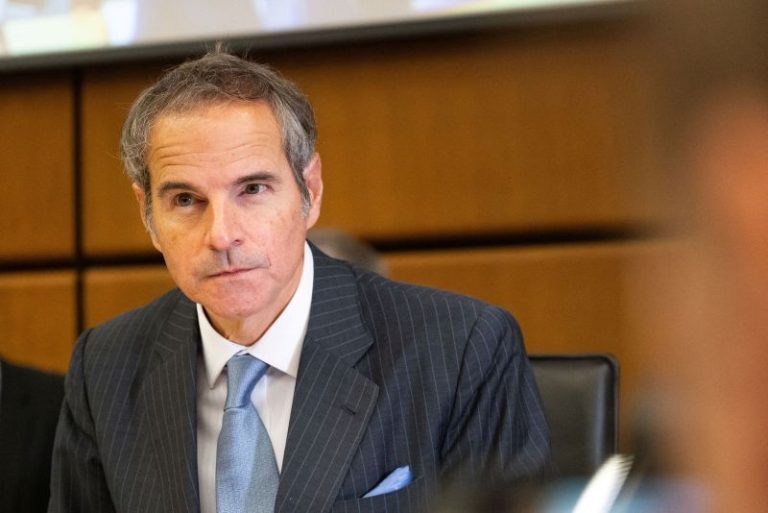
The head of the UN’s nuclear watchdog says US strikes on Iran fell short of causing total damage to its nuclear program and that Tehran could restart enriching uranium “in a matter of months,” contradicting President Donald Trump’s claims the US set Tehran’s ambitions back by decades.

While the final military and intelligence assessment has yet to come, Trump has repeatedly claimed to have “completely and totally obliterated” Tehran’s nuclear program.

The 12-day conflict between Israel and Iran began earlier this month when Israel launched an unprecedented attack it said aimed at preventing Tehran developing a nuclear bomb. Iran has insisted its nuclear program is for peaceful purposes.

The US then struck three key Iranian nuclear sites before a ceasefire began. The extent of the damage to Tehran’s nuclear program has been hotly debated ever since.

US military officials have in recent days provided some new information about the planning of the strikes, but offered no new evidence of their effectiveness against Iran’s nuclear program.

Following classified briefings this week, Republican lawmakers acknowledged the US strikes may not have eliminated all of Iran’s nuclear materials – but argued that this was never part of the military’s mission.

Severe but not ‘total’ damage

Asked about the different assessments, Grossi, director general of the International Atomic Energy Agency (IAEA), told CBS’s “Face the Nation with Margaret Brennan”: “This hourglass approach in weapons of mass destruction is not a good idea.”

“The capacities they have are there. They can have, you know, in a matter of months, I would say, a few cascades of centrifuges spinning and producing enriched uranium, or less than that. But as I said, frankly speaking, one cannot claim that everything has disappeared and there is nothing there,” he told Brennan, according to a transcript released ahead of the broadcast.

“It is clear that there has been severe damage, but it’s not total damage,” Grossi went on to say. “Iran has the capacities there; industrial and technological capacities. So if they so wish, they will be able to start doing this again.”

Grossi also told CBS News that the IAEA has resisted pressure to say whether Iran has nuclear weapons or was close to having weapons before the strikes.

“We didn’t see a program that was aiming in that direction (of nuclear weapons), but at the same time, they were not answering very, very important questions that were pending.”

Grossi stressed the need for the IAEA to be granted access to Iran, to assess nuclear activities. He said Iran had been disclosing information to the agency up until recent Israeli and US strikes, but that “there were some things that they were not clarifying to us.”

“In this sensitive area of the number of centrifuges and the amount of material, we had perfect view,” he said. “What I was concerned about is that there were other things that were not clear. For example, we had found traces of uranium in some places in Iran, which were not the normal declared facilities. And we were asking for years, why did we find these traces of enriched uranium in place x, y or z? And we were simply not getting credible answers.”

The initial Pentagon assessment said Tehran may have moved some of the enriched uranium out of the sites before they were attacked but Trump has insisted nothing was moved.

“It’s logical to presume that when they announce that they are going to be taking protective measures, this could be part of it (moving the material). But, as I said, we don’t know where this material could be, or if part of it could have been, you know, under the attack during those 12 days,” Grossi told Brennan.

Meanwhile, Tehran has made moves towards withdrawing from international oversight over its nuclear program.

Iran’s parliament passed a bill halting cooperation with the UN nuclear watchdog, while the Foreign Minister, Abbas Araghchi, also said that the country could also rethink its membership of the Non-Proliferation Treaty (NPT), which prohibits signatories from developing nuclear weapons.

This post appeared first on cnn.com

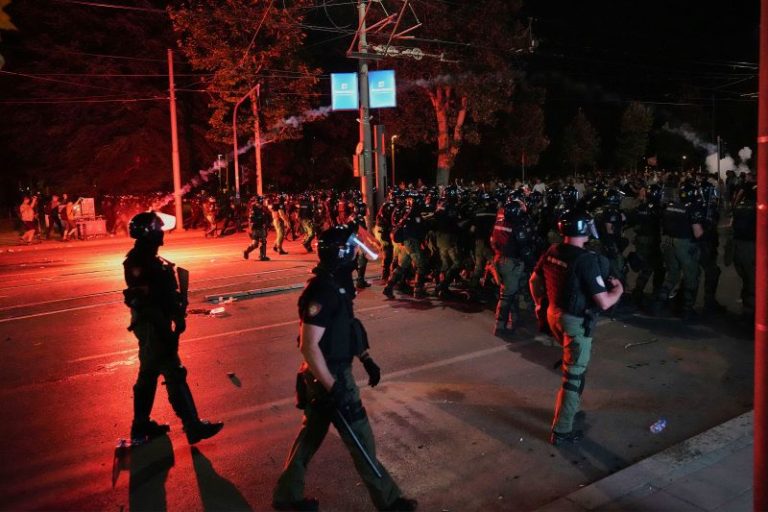
Riot police fired tear gas at thousands of anti-government protesters in Serbia’s capital on Saturday.

The major rally in Belgrade against Serbia’s populist president, Aleksandar Vucic, was called to back a demand for an early parliamentary election.

The protest by tens of thousands was held after nearly eight months of persistent demonstrations led by Serbia’s university students that have rattled Vucic’s firm grip on power in the Balkan country.

The huge crowd chanted “We want elections!” as they filled the capital’s central Slavija Square and several blocks around it, with many unable to reach the venue.

Tensions were high before and during the gathering. Riot police deployed around government buildings and close to a camp of Vucic’s loyalists in central Belgrade. Skirmishes erupted between riot officers and groups of protesters near the camp.

“Elections are a clear way out of the social crisis caused by the deeds of the government, which is undoubtedly against the interests of their own people,” said one of the students, who didn’t give her name while giving a speech on a stage to the crowd. “Today, on June 28, 2025, we declare the current authorities illegitimate.”

At the end of the official part of the rally, students told the crowd to “take freedom into your own hands.”

University students have been a key force behind nationwide anti-corruption demonstrations that started after a renovated rail station canopy collapsed, killing 16 people on Nov. 1.

Many blamed the concrete roof crash on rampant government corruption and negligence in state infrastructure projects, leading to recurring mass protests.

“We are here today because we cannot take it any more,” Darko Kovacevic said. “This has been going on for too long. We are mired in corruption.”

Vucic and his right-wing Serbian Progressive Party have repeatedly refused the demand for an early vote and accused protesters of planning to spur violence on orders from abroad, which they didn’t specify.

Vucic’s authorities have launched a crackdown on Serbia’s striking universities and other opponents, while increasing pressure on independent media as they tried to curb the demonstrations.

While numbers have shrunk in recent weeks, the massive showing for Saturday’s anti-Vucic rally suggested that the resolve persists, despite relentless pressure and after nearly eight months of almost daily protests.

Serbian police, which is firmly controlled by Vucic’s government, said that 36,000 people were present at the start of the protest on Saturday.

Saturday marks St. Vitus Day, a religious holiday and the date when Serbs mark a 14th-century battle against Ottoman Turks in Kosovo that was the start of hundreds of years of Turkish rule, holding symbolic importance.

In their speeches, some of the speakers at the student rally on Saturday evoked the theme, which was also used to fuel Serbian nationalism in the 1990s that later led to the incitement of ethnic wars following the breakup of the former Yugoslavia.

Hours before the student-led rally, Vucic’s party bused in scores of its own supporters to Belgrade from other parts of the country, many wearing T-shirts reading: “We won’t give up Serbia.” They were joining a camp of Vucic’s loyalists in central Belgrade where they have been staying in tents since mid-March.

In a show of business as usual, Vucic handed out presidential awards in the capital to people he deemed worthy, including artists and journalists.

“People need not worry – the state will be defended and thugs brought to justice,” Vucic told reporters on Saturday.

Serbian presidential and parliamentary elections are due in 2027.

Earlier this week, police arrested several people accused of allegedly plotting to overthrow the government and banned entry into the country, without explanation, to several people from Croatia and a theater director from Montenegro.

Serbia’s railway company halted train service over an alleged bomb threat in what critics said was an apparent bid to prevent people from traveling to Belgrade for the rally.

Authorities made similar moves back in March, before what was the biggest ever anti-government protest in the Balkan country, which drew hundreds of thousands of people.

Vucic’s loyalists then set up a camp in a park outside his office, which still stands. The otherwise peaceful gathering on March 15 came to an abrupt end when part of the crowd suddenly scattered in panic, triggering allegations that authorities used a sonic weapon against peaceful protesters – an accusation officials have denied.

Vucic, a former extreme nationalist, has become increasingly authoritarian since coming to power more than a decade ago. Though he formally says he wants Serbia to join the European Union, critics say Vucic has stifled democratic freedoms as he strengthened ties with Russia and China.

This post appeared first on cnn.com

Top Qatari officials had been meeting with the country’s prime minister on Monday afternoon to find ways of de-escalating a conflict between Iran and Israel, when defense ministry personnel called to warn of incoming Iranian missiles.

The attack, the first on the Gulf, caught them by surprise, according to Qatar’s foreign ministry spokesperson Majed Al-Ansari, who recalls feeling the prime minister’s residence shake with the interceptions that quickly followed overhead.

Unease had gripped the Gulf Arab states that morning. The glitzy, oil-rich capitals feared a worst-case scenario: an Iranian missile strike shattering their image of stability after 12 days of war between Israel and Iran, which had culminated in a series of US strikes on Iranian nuclear facilities.

Bahrain, where the US Naval Command is located, told residents not to use main roads and Kuwait, which hosts several US military bases, activated shelters in ministerial complexes. In nearby Dubai and Abu Dhabi, some residents were booking early flights out and others stocking up on supplies.

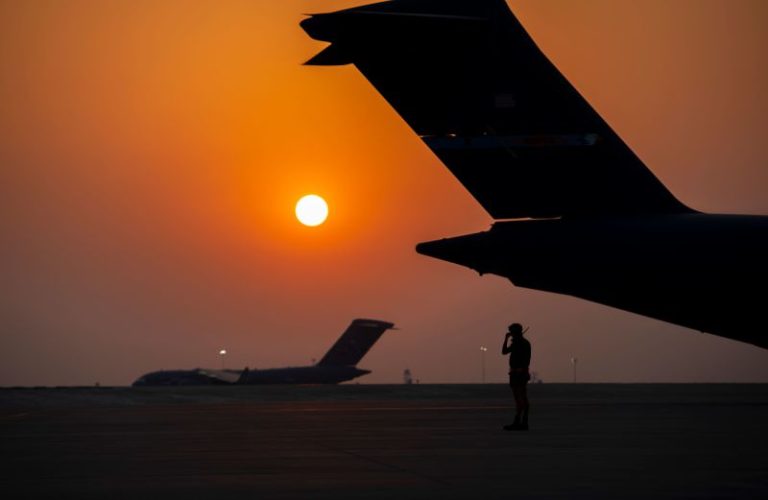
In Doha, nervous residents were on high alert. US and UK citizens in the country had been told to seek shelter and American military personnel had been evacuated from the US-run Al Udeid Base.

Qatar’s early warning military radar system, one of the most advanced in the region, and intelligence gathered indicated that Iranian missile batteries had moved toward Qatar earlier that day, the spokesperson said – but nothing was certain until shortly before the strikes.

“It could’ve been misdirected to lead us away from the actual target. There was still a lot of targets in the region…but towards the end it was very clear, their missile systems were hot and we had a very clear idea an hour before the attack, Al Udeid Base was going to be targeted,” a Qatari official with knowledge of defense operations said.

Responding to the attack

Around 7 p.m. local time, Qatari officials were informed by their military that Iran’s missiles were airborne and heading towards Al Udeid base, Al-Ansari said.

Qatar’s armed forces deployed 300 service members and activated multiple Qatari Patriot anti-air missile batteries across two sites to counter the 19 Iranian missiles roaring toward the country, according to Al-Ansari. US President Donald Trump has said that 14 missiles were fired from Iran.

Seven missiles were intercepted over the Persian Gulf before reaching Qatari soil, he said. Another 11 were intercepted over Doha without causing damage and one landed in an uninhibited area of the base causing minimal damage.

According to Trump, Iran had given the US early notice ahead of the attack. While Doha received intel from Washington, it did not receive any warning directly from the Iranians, according to Al-Ansari – though officials were well aware that the US bases in the region could be targeted.

“The Iranians told us months ago … if there was an attack by the US on Iranian soil that would make bases hosting American forces in the region legitimate targets,” Al-Ansari said.

Iran’s Foreign Minister Abbas Araghchi said that warning was reiterated to his Gulf counterparts in an Istanbul meeting a day before Iranian strikes on Qatar.

Iran’s National Security Council said after the intercepted attack that its strikes had posed “no dangerous aspect to our friendly and brotherly country of Qatar and its noble people.”

Still, Al-Ansari rejects speculation that Qatar – given its working relationship with Tehran – might have given a greenlight for the strikes in order to create an off-ramp for regional escalation.

“We do not take it lightly for our country to be attacked by missiles from any side and we would never do that as part of political posturing or a game in the region,” he said.

“We would not put our people in the line of danger. I would not put my daughter under missiles coming from the sky just to come out with a political outcome. This was a complete surprise to us,” Ansari said.

A ceasefire quickly follows

In the moments after the attack, Trump called Qatar’s Emir Tamim bin Hamad Al Thani telling him the Israelis were willing to agree to a ceasefire and asked him to do the same for the Iranians, according to Al-Ansari.

“As we were discussing how to retaliate to this attack … this is when we get a call from the United States that a possible ceasefire, a possible avenue to regional security had opened,” Ansari said.

Doha’s role as mediator quickly became key in the aftermath of the strikes. Qatar’s chief negotiator Mohammed bin Abdulaziz Al-Khulaifi spoke to the Iranians while the Qatari Prime Minister Mohammed bin Abdulrahman Al Thani was speaking to US Vice President JD Vance. Soon, “we were able to secure a deal,” Al-Ansaris says – and in the nick of time.

“All options were on the table that night … we could have immediately retaliated or pulled back and say we’re not talking to a country that sent 19 missiles our way. But we also realized that was a moment that could create momentum for peace in a region that hasn’t been there for two years now,” Ansari said.

Shortly after, Trump declared on social media that a ceasefire between Iran and Israel had been brokered.

This post appeared first on cnn.com